



Exploring the Rich Culinary Heritage of South India
Kerala stands as a culinary haven where spices like black pepper, cardamom, and cinnamon have steered global trade routes for millennia. The state’s geography blends a long coastline with lush highlands to shape a food culture entirely distinct from the rest of India. Wandering through this coastal landscape demands an appreciation for a heritage built around coconut, rice, and fresh catches from the sea.
This guide offers a clear path to the essential dining experiences of God’s Own Country. Learning about these dishes helps visitors connect with the deep history and cultural diversity of the region. Here is a selection of traditional Kerala foods every traveller should try to experience the true flavors of this southern state.
Savoring the Morning Classics: Puttu and Kadala Curry
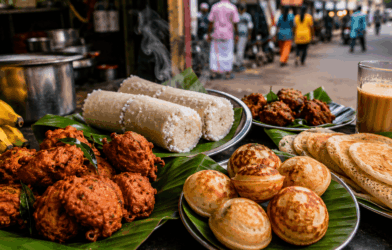
Puttu is a beloved steamed rice cake cooked in cylindrical metal or bamboo moulds, layered generously with grated coconut. This dish offers a soft, crumbly texture that pairs beautifully with spicy curries. It usually comes alongside Kadala curry, a rich black chickpea gravy simmered in a roasted coconut paste.
This breakfast pairing provides a balanced mix of carbohydrates and plant-based protein to fuel a day of exploration. These plates are among the traditional Kerala foods every traveller should try when visiting local tea shops, often called Chayakkadas. The contrast between the mild, fragrant rice steam and the fiery, spiced chickpea gravy defines the morning routine here.
The Ultimate Vegetarian Feast: The Kerala Sadya
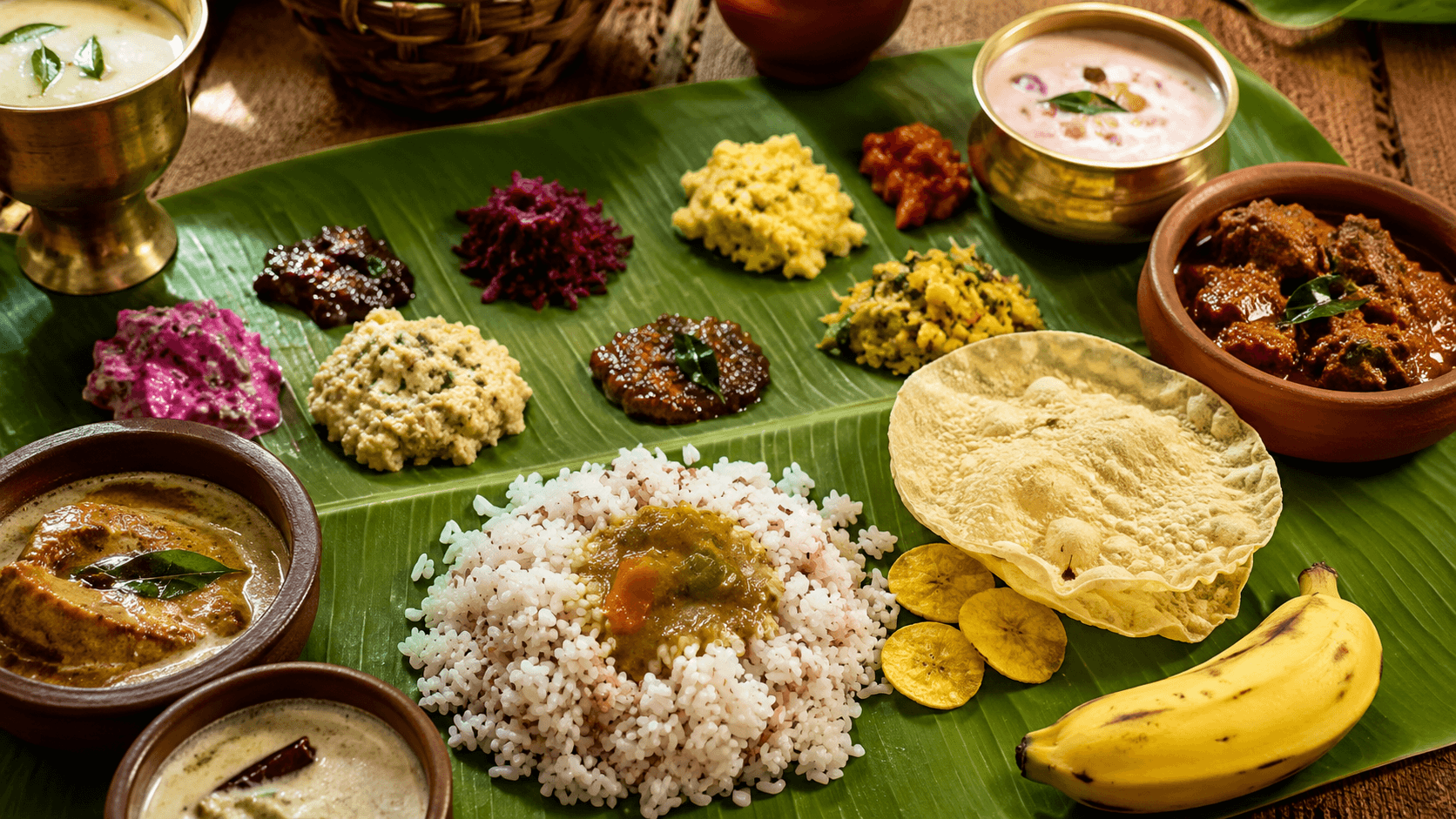
The Kerala Sadya is a magnificent vegetarian banquet served on a clean banana leaf, featuring up to twenty-eight distinct dishes. This feast is central to major festivals like Onam and Vishu, showcasing the incredible variety of the region’s plant-based cuisine. Each dish has a designated spot on the leaf, placed to balance sweet, sour, salty, and spicy flavors in harmony.
Guests begin with light appetizers like banana chips and sharkara varatti, which are sweet, jaggery-coated unripe banana pieces. The meal then progresses through multiple courses of rice served with parippu, sambar, and avial, a thick mixture of regional vegetables and coconut. Among the traditional Kerala foods every traveller should try, the Sadya stands out as a communal celebration of seasonal harvests and Ayurvedic dietary principles.
- Avial: A robust blend of local vegetables like elephant yam, drumstick, and ash gourd, seasoned with coconut paste and curry leaves.
- Olan: A delicate, mild dish featuring white pumpkin and black-eyed peas simmered in fresh, unsweetened coconut milk.
- Payasam: A rich, sweet dessert pudding made with milk, vermicelli, or broken wheat, sweetened with sugar or dark jaggery.
This order of dishes aids digestion while offering a full sensory exploration of Kerala’s agricultural abundance. Experiencing a full Sadya requires sitting on the floor and eating with your right hand to appreciate the textures and temperatures of the food. It is a slow, tactile process that connects you directly to the land.
Coastal Treasures: Karimeen Pollichathu
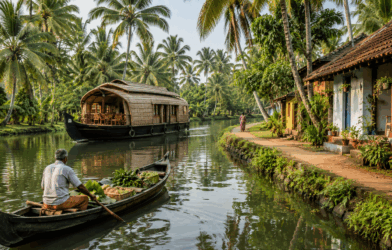
Karimeen, or pearl spot fish, is a native brackish water and freshwater species found in the backwaters of Alappuzha and Kumarakom. This delicacy is marinated in a thick paste of red chilies, turmeric, ginger, garlic, and lime juice before cooking. The seasoned fish is then wrapped in a fresh banana leaf and pan-seared to lock in the moisture and deep flavors.
The banana leaf acts as a natural steamer, infusing the fish with a smoky aroma as it cooks. This cooking method ensures that the flesh remains tender and easily flakes off the bone. When compiling a list of traditional Kerala foods every traveller should try, this pan-seared fish always claims a top spot.
- Check the freshness of the fish by looking for clear eyes and firm flesh.
- Ask for the local toddy shop preparation to get a spicier, more rustic taste.
- Pair the dish with hot parotta or appam to soak up every bit of the thick masala paste.
Many local backwater eateries, known as toddy shops or Kallu Shaaps, serve the spiciest and most authentic versions of this dish. These establishments source their seafood daily, ensuring great freshness and rich flavor. Sitting by the water with this dish is an experience like no other.
Fluffy Appam paired with Comforting Ishtu
Appam is a feather-light pancake made from fermented rice batter and fresh coconut milk, featuring a soft, spongy center and crisp, lace-like edges. The fermentation process relies on local yeast or toddy, which adds a subtle tangy note to the final dish. This texture makes it the perfect base for scooping up rich, aromatic gravies.
The classic accompaniment is Ishtu, a mild stew made with potatoes, carrots, and green peas simmered in rich coconut milk. Meat versions often feature tender chicken or mutton infused with whole spices like cloves, cinnamon, and green chilies. Including these traditional Kerala foods every traveller should try on your journey offers a gentle introduction to the region’s spice blending skills.
The Rich Heritage of Malabar Biryani
Malabar Biryani, from the Thalassery region, represents a historic blend of Mughal and local culinary styles. Unlike the long-grain basmati used in other parts of India, this version uses a thin, fragrant local rice variety called Khyma. The meat and rice are cooked separately before being layered and sealed in a pot for slow-cooking.
This method allows the flavors of fried onions, ghee, cashews, and raisins to seep deep into every grain of rice. The resulting dish is highly aromatic, offering a subtle sweetness balanced by local spices.
For those seeking spice, exploring these northern districts reveals a completely different culinary landscape. Some of these plates belong to the traditional Kerala foods every traveller should try list.
- Enjoy the dish with a side of sour date pickle and fresh mint chutney to balance the richness.
- Look for eateries using traditional firewood cooking methods for the best smoky flavor.
- Sip on a hot cup of Sulaimani, a spiced black tea with lemon, right after the meal to aid digestion.
The addition of Sulaimani tea is a key cultural ritual that cuts through the richness of the ghee-laden rice. This pairing showcases the thoughtful design behind traditional Malabar dining habits. It cleanses the palate perfectly.
The Famous Duo: Beef Fry and Malabar Parotta
Kerala Beef Fry, locally known as Beef Ularthiyathu, is the most famous non-vegetarian dish in the region. Slow-cooked beef chunks are sautéed with coconut slivers, curry leaves, and a generous amount of freshly ground black pepper. The meat is cooked until it reaches a dark, caramelized finish, concentrating the deep savory flavors.
This spicy, dry dish is traditionally paired with Malabar Parotta, a layered flatbread made from refined flour. Cooks stretch, oil, and roll the dough into spirals before flattening and cooking it on a hot griddle. The resulting layers are flaky, crispy, and soft, making them ideal for tearing and wrapping around the spiced beef.
These traditional Kerala foods every traveller should try showcase the Christian and Muslim cooking styles that have shaped the local culture. The combination of crispy, buttery bread layers with the heat of black pepper fry remains a favorite for locals and visitors alike.
Sweet Indulgence: Pazham Pori
Pazham Pori, or banana fritters, is the classic evening snack found in almost every tea stall across Kerala. Ripe local bananas, specifically the sweet and firm Ethapazham variety, are sliced lengthwise and dipped in a light flour batter. They are then deep-fried in pure coconut oil until they become golden and crispy on the outside.
The natural sweetness of the ripe banana caramelizes during frying, creating a delightful contrast with the crispy outer shell. This snack is almost always paired with a hot cup of cardamom-infused milk tea or strong filter coffee. Tasting these local sweet treats during the late afternoon offers an authentic glimpse into the daily social rituals of local communities.
Summary of Iconic Kerala Dishes
| Dish Name | Type | Key Ingredients | Best Paired With |
|---|---|---|---|
| Puttu | Breakfast / Vegetarian | Steamed rice flour, grated coconut | Kadala Curry (chickpea gravy) |
| Sadya | Feast / Vegetarian | Rice, Avial, Olan, Payasam | Served on a banana leaf |
| Karimeen Pollichathu | Seafood / Non-Vegetarian | Pearl spot fish, red chili masala | Malabar Parotta or Appam |
| Appam | Breakfast / Vegetarian | Fermented rice batter, coconut milk | Vegetable or Meat Ishtu (stew) |
| Malabar Biryani | Main Course / Non-Vegetarian | Khyma rice, local spices, ghee | Date pickle and Sulaimani tea |
| Beef Fry (Ularthiyathu) | Side Dish / Non-Vegetarian | Beef chunks, coconut slivers, black pepper | Flaky Malabar Parotta |
Essential Tips for Navigating Kerala’s Food Scene
Navigating the food landscape of Kerala requires a basic understanding of local dining customs and preparation styles. Many traditional eateries focus on fresh, locally sourced ingredients, which means dishes are often prepared to order. Expect varying spice levels, as coastal regions tend to use more green chilies, while inland areas favor black pepper.
Eating with your hands is highly encouraged and enhances the overall experience of the meal. Always wash your hands before and after dining at the wash basins found in every local restaurant. Keeping a checklist of must-try dishes handy will help you confidently order at local establishments where English menus might be limited.
Embracing the Flavors of God’s Own Country
Kerala’s culinary heritage is a colorful reflection of its rich history, diverse geography, and multicultural communities. From the elaborate vegetarian Sadya served on a banana leaf to the fiery seafood delicacies of the backwaters, every dish tells a story of spice trade and agricultural abundance.
Focusing on these traditional Kerala foods every traveller should try ensures a deeply authentic travel experience that goes far beyond standard sightseeing. Plan your culinary itinerary carefully, seek out busy local eateries, and embrace the incredibly diverse spices of this beautiful coastal state.






Comments are closed