



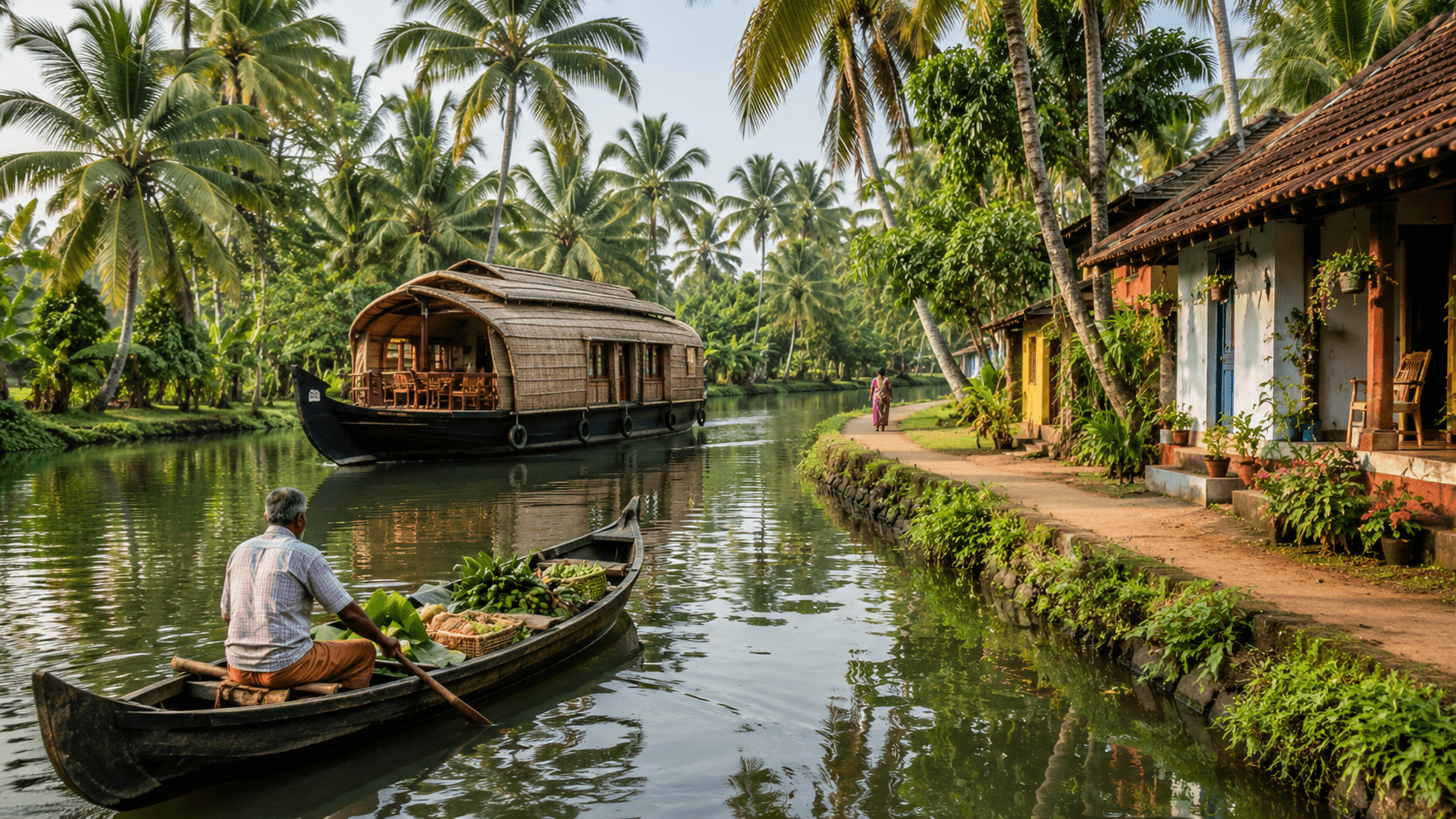
A massive network of brackish lagoons, lakes, and canals in southwestern India supports a highly specialized human habitat. More than 900 kilometers of watery passages serve as the physical foundation of this region, dictating how local families live. It is a world ruled by water.
Getting a true sense of Life in Kerala’s Beautiful Backwater Villages means looking past the tourist houseboats to observe the actual daily struggles and triumphs of the locals. This watery environment depends on a delicate mixture of freshwater rivers and salty tides from the Arabian Sea. The balance is delicate but enduring.
For generations, families here have adapted to their liquid surroundings, carving out specific farming, transport, and community traditions. This overview details the socio-economic and environmental patterns that support Life in Kerala’s Beautiful Backwater Villages. Remote water-bound communities persist against heavy odds.
The Physical Layout of the Waterways
This watery network is mostly fed by 41 westward rivers rushing down from the Western Ghats hills. The largest expanse of water here is the Vembanad Wetland system, spreading across more than 2,033 square kilometers.
In regions like Kuttanad, the ground sits between 0.6 and 2.2 meters below sea level.
Because of this, it remains one of the rare places on earth where crops grow below sea level. Farmers manage this feat using a series of dikes and clay dams.
These geographical traits dictate how people build their homes, which sit on thin strips of land reclaimed from muddy marshes. Local builders reinforce foundations with coconut husks and heavy granite blocks. This helps houses withstand the fierce seasonal monsoon floods.
Daily Routines of the Canal Residents
Morning starts before sunrise as mist drifts off the canals. Women clean dishes and clothes on stone steps called kadavus, while fishermen cast light nets for freshwater catch. This particular way of living makes Life in Kerala’s Beautiful Backwater Villages an interesting study in human resilience.
Household chores revolve around the arrival of water purification vessels or local supply boats. Because local well water is salty, finding fresh water is a vital daily task for every family.
By mid-morning, the canals turn into busy paths of trade and conversation. Schoolchildren board public water buses run by the state government to reach classrooms in nearby towns. Older folk gather at wayside tea stalls to swap news and debate local politics.
How Canal Communities Earn a Living
The local economy depends on traditional trades that use the wetland resources. Rice farming in low-lying fields remains a major source of income for thousands of families.
Coir spinning, where workers pull fiber from coconut husks to make ropes, employs many local women. Fishermen rely on simple wooden canoes to catch Pearl Spot fish, clams, and shrimp.
Here is a breakdown of the main traditional jobs that support local families:
| Traditional Jobs | Resources Used | Economic Function |
|---|---|---|
| Paddy Farming | Low fields, clay dikes | Main food crop and employment |
| Coir Spinning | Coconut fiber, hand wheels | Major job source for local women |
| Toddy Tapping | Coconut palm sap | Local beverage production |
| Inland Fishing | Cast nets, Chinese nets | Food supply and local seafood trade |
Talking with the families here reveals how closely Life in Kerala’s Beautiful Backwater Villages is linked to careful resource use. While tourism brings fresh money, classic trades remain the bedrock of local stability.
Getting Around on the Water
Boats are the main way to travel across these roadless water expanses. The state transport department runs a fleet of passenger ferries connecting quiet islands to towns like Alappuzha and Kottayam.
For personal travel, almost every home keeps a small wooden canoe called a vallam. These boats are used to visit neighbors, carry goods, and reach local markets. Such simple transport defines daily Life in Kerala’s Beautiful Backwater Villages.
- Kettuvallams: Large modified cargo boats used mainly for tourist lodging.
- Public Water Buses: Cheap diesel-powered ferries operated by the government.
- Small Vallams: Private rowboats propelled with long bamboo oars.
- Floating Clinics: Traveling medical boats that bring healthcare directly to canal doorsteps.
This dependence on boats shapes every aspect of Life in Kerala’s Beautiful Backwater Villages. Medical help, mail, and waste collection must all travel by water.
Local Traditions and Heritage
Community life centers around temples, churches, and seasonal water festivals. The most famous gathering is the Nehru Trophy Boat Race, held every August on Punnamada Lake.
These races feature snake boats, or chundan vallams, which stretch over 100 feet and hold up to 110 rowers. Intense training for the race breeds friendly rivalries and brings neighborly bonds closer.
Classic arts like Kathakali dance and Kalaripayattu martial arts reflect the history of Life in Kerala’s Beautiful Backwater Villages. Local families keep these performance arts alive through spirited community gatherings.
- The ancient Champakulam Kalloorkadu St. Mary’s Basilica, built in 427 AD.
- The yearly Ambalappuzha Temple festival featuring heavy drumming ensembles.
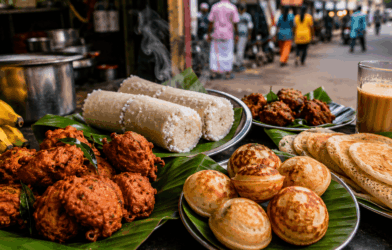
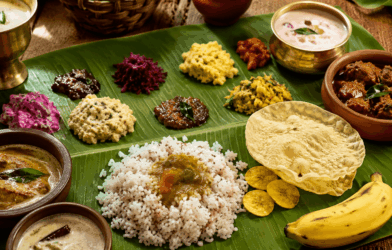
- The regional cooking style defined by fresh fish, curry leaves, and coconut.
Environmental Challenges Threatening the Region
The delicate natural balance faces real environmental threats. Pollution from farm chemicals, plastic trash, and poor sanitation harms water quality and local fish.
The spread of water hyacinths, an invasive weed, blocks travel routes and chokes oxygen levels in the water. This rapid plant growth stops boats and ruins fish nesting grounds.
Changing weather patterns have also shifted rainfall, causing more frequent floods during the monsoon season. Rising seas present a permanent threat to the low farms of Kuttanad.
Protecting This Watery Realm
The canal communities of Kerala offer a clear example of human survival in a tough but rich environment. Their daily habits, jobs, and customs are tied directly to the health of these wetlands.
Keeping this lifestyle alive requires careful conservation, better trash systems, and help for local trades. Finding a balance between tourism and nature conservation remains a massive task for local leaders.
Ultimately, Life in Kerala’s Beautiful Backwater Villages shows how humans can live in harmony with the natural world.



Comments are closed